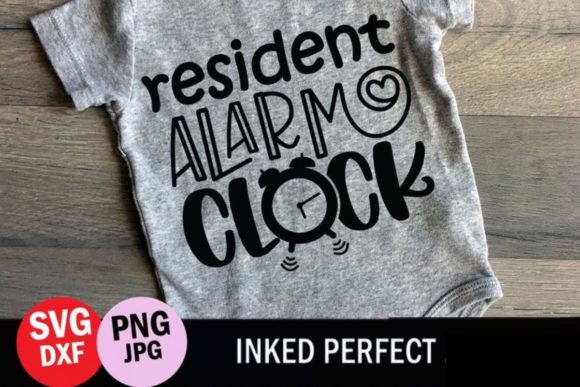
Baby Resident Alarm Clock Embroidery Review
As a designer who spends more time staring at stitch charts and fabric swatches than sleeping, I have learned to be skeptical of novelty designs that promise too much. When I first encountered the Baby Resident Alarm Clock, my initial reaction was a mix of curiosity and caution. The description promises a funny quote for moms, a playful font, a little heart, and a vintage alarm clock aesthetic. On paper, it sounds like a classic gift item. In practice, however, embroidery is unforgiving. A design that looks cute on a screen can turn into a tangled mess on a hoop if the density is off or the lettering is too fine. I decided to put this design through its paces, evaluating it not just as a graphic, but as a functional piece of art for real-world projects.
First Impressions and Visual Personality
The Baby Resident Alarm Clock immediately establishes a tone of cozy nostalgia. It isn’t trying to be modern or minimalist; it leans heavily into the "vintage" vibe mentioned in its description. For a machine embroidery design, this translates to specific challenges. Vintage styles often rely on thin lines and delicate serifs to convey age and charm. In the context of a graphics product, this works beautifully. But when translated into thread, those delicate curves become potential failure points. The inclusion of a playful font suggests a casual, approachable mood, which is perfect for baby embroidery items, but it requires careful selection of thread colors to ensure readability.
The layout feels balanced, likely centering the alarm clock graphic with the text integrated around or below it. This centralization is smart for custom apparel because it allows the design to sit comfortably on the chest of a sweatshirt or the center of a tote bag without feeling lopsided. The "little heart" detail adds a touch of sentimentality that resonates with the target audience—new mothers and gift-givers. However, small decorative elements like hearts are often where stitch quality breaks down. If the satin stitch width is too narrow, the shape loses definition. If it is too wide, it looks blobby. This is the first thing I checked: does the heart hold its form?
Real-World Application: From Hoop to Handmade Product
Let’s talk about how this design performs when it leaves the digital realm. I imagine using the Baby Resident Alarm Clock for a specific client project: a boutique-style baby shower gift set. The goal is to create a personalized, high-end feel that justifies a premium price point. Here is how the design holds up in various scenarios.
Sweatshirt Embroidery and Apparel Decorators: Placing this on a cotton-blend sweatshirt is a natural fit. The vintage theme pairs well with soft, heathered fabrics. The key here is the stitch density. If the fill stitches are too dense, the sweatshirt will feel stiff and heavy, ruining the comfort factor that parents value. A lighter density gives it a softer, more professional drape. The playful font needs enough contrast against the fabric color. On a dark grey sweatshirt, light pastel threads might get lost. On a cream onesie, darker threads pop beautifully. This versatility makes it a strong candidate for small shop products where inventory variety is key.
Tote Bag Design and Craft Business Items: Tote bags are another staple for Etsy sellers. The Baby Resident Alarm Clock works exceptionally well here because the rectangular canvas allows the full graphic to breathe. Unlike a cap brim, where curvature distorts text, a tote bag offers a flat, stable surface. This design would look great on a canvas tote paired with simple, sturdy threads. It becomes a statement piece that signals humor and personality, which drives engagement on social media platforms like Instagram or Pinterest. It’s not just a bag; it’s a conversation starter for other new moms.
Embroidered Patch and Nursery Decor: For makers looking to expand into accessories, turning this into an embroidered patch is a viable option. Patches allow for a border that frames the design, hiding any minor stitching imperfections around the edges. Alternatively, using it on a pillow cover or nursery wall hanging leverages the "resident" theme, suggesting a sense of belonging and home. These items are highly giftable during the holiday season, making this a timely asset for holiday embroidery collections.
Where Caution Is Required
Despite its charm, the Baby Resident Alarm Clock has limitations that every experienced designer must respect. It is not a universal solution. There are specific situations where this design could fail if used carelessly.
- Small Hoop Sizes: Attempting to stitch this on a tiny 4x4 hoop or smaller may result in cramped details. The text and the clock face might merge visually if scaled down too far. Always check the recommended hoop size before starting.
- Textured Fabrics: While cotton blends work well, highly textured fabrics like bouclé or thick chenille can obscure the fine details of the playful font and the small heart. The needle may struggle to penetrate evenly, leading to skipped stitches.
- Stretchy Fabric: Embroidering directly onto stretchy jersey knits without proper stabilization is risky. The design may pucker or distort after washing. If you must use this on a t-shirt, a tear-away stabilizer is non-negotiable.
- Dark Fabric Challenges: As mentioned, contrast is king. On black or navy fabric, unless you are using bright white or neon threads, the vintage aesthetic might look muddy. Test your thread colors against your actual fabric stock.
- Frequent Washing: For baby clothes and kitchen towels, durability matters. Designs with large areas of fill stitch can trap lint and moisture. Ensure the design uses appropriate underlay stitches to keep the top thread secure.
Practical Designer Notes for Success
To get the most out of this digital embroidery file, I recommend a few practical steps before committing to your final product. First, always test the design on scrap fabric that matches your final material. This reveals issues with stitch density and thread tension early. Second, inspect the small details closely. Does the heart look round? Are the letters distinct? If the resolution is low, the design may appear pixelated or blurry when stitched.
It is also wise to review the design in black and white mockups. This helps determine if the visual hierarchy works regardless of color. Sometimes a design relies too heavily on color to make sense, which can be limiting. Additionally, confirm whether the design includes licensing for commercial use. Many design assets come with restrictions on how many finished products you can sell. As a craft business owner, protecting your intellectual property rights is crucial.
Finally, consider the emotional impact of the finished product. The Baby Resident Alarm Clock is designed to evoke warmth and humor. By ensuring high-quality stitching and thoughtful presentation, you honor that intent. Customers trust handmade goods not just for their utility, but for the care embedded in them. A clean, well-executed stitch job builds brand consistency and encourages repeat purchases. Whether you are selling on Etsy or running a local boutique, paying attention to these details transforms a simple embroidery project into a memorable keepsake.
In conclusion, the Baby Resident Alarm Clock is a charming addition to any designer’s library, provided it is used with technical awareness. It shines in apparel, bags, and gifts where its vintage humor can truly connect with customers. Avoid overcomplicating the execution, and let the design’s personality do the talking.