Beanie Hair Don t Care: A Designer’s Review
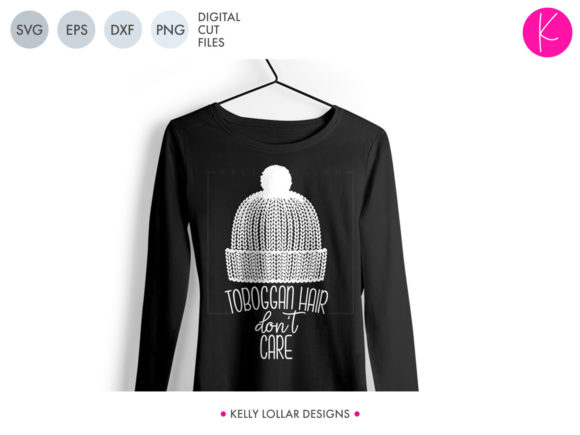
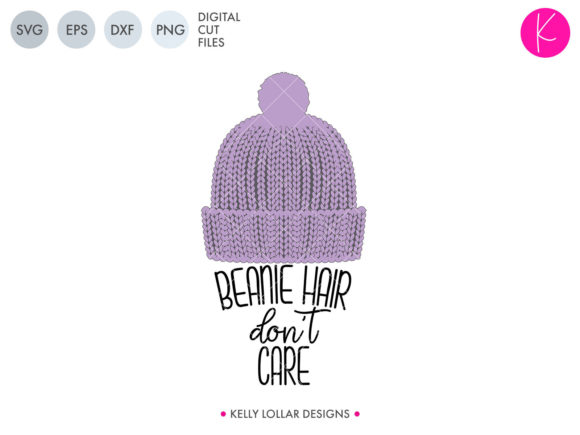
As someone who spends more time staring at stitch density charts and fabric swatches than actually sleeping, I approach every new digital asset with a healthy dose of skepticism. The market is flooded with generic clip art disguised as embroidery files, but Beanie Hair Don t Care caught my eye for a different reason. It isn’t just another holiday novelty; it feels like a genuine mood piece designed for the modern crafter. This winter shirt design, featuring a knit beanie and thin lettered quote, strikes a balance between cozy aesthetic and commercial viability that many designers struggle to achieve.
The First Impression: Mood and Visual Personality
When you first load this machine embroidery design into your software, the immediate takeaway is its relaxed vibe. The theme is unmistakably wintery, yet it avoids the cliché of snowflakes and reindeer. Instead, it leans into the "don't care" attitude of messy hair hidden under a warm hat—a sentiment that resonates deeply with anyone who has braved a snow day or simply prefers comfort over style on a Tuesday morning.
Visually, the layout is clean. The graphic nature of the knit beanie provides a solid anchor point, while the thin lettered quote adds a touch of editorial sophistication. For an embroidery designer, this combination is crucial. Too much detail can get lost in the stitching process, especially on textured fabrics, but Beanie Hair Don t Care relies on strong shapes and clear negative space. It creates a visual personality that is both playful and polished, making it suitable for everything from a casual craft fair tote bag to a high-end boutique sweatshirt.
Real-World Application: Where Does This Design Shine?
I recently tested this concept by imagining it on a custom embroidered tote bag for a local coffee shop collaboration. The idea was to create a limited-run accessory for customers who enjoy weekend hikes or snowy commutes. The design’s versatility allowed it to sit comfortably on canvas without feeling out of place. However, the true potential of this graphics category lies in its adaptability across various product types.
- Sweatshirt Embroidery: This is perhaps the most natural fit. The thick fabric of a fleece-lined hoodie complements the "winter" theme perfectly. The design translates well here, offering a tactile experience that matches the visual warmth of the image.
- Baby Embroidery: Small shops often look for gender-neutral, humorous designs for baby gifts. This motif works beautifully on burp cloths or onesies. The humor is subtle enough for parents who appreciate wit but not so edgy that it limits the gift's appeal.
- Embroidered Patch: Converting this into an applique design or a standalone patch opens up a new revenue stream. Patches are huge right now for personalizing denim jackets and backpacks. The bold outline of the beanie makes it an excellent candidate for this format.
- Holiday Embryery: While not a traditional Christmas design, it fits the broader "winter season craft projects" niche. It serves as a perfect alternative gift for those who prefer secular or lifestyle-focused themes during the holidays.
For Etsy sellers and small business owners, this kind of flexible design asset is gold. It allows you to create a cohesive collection—matching tea towels, aprons, and pillow covers—that tells a consistent brand story without looking repetitive.
Technical Considerations and Stitching Challenges
While the artistic merit is clear, we must talk about execution. Not all embroidery projects are created equal, and Beanie Hair Don t Care requires some strategic planning to ensure the finished product looks professional rather than amateurish.
Fabric Texture and Stability: Because the design features thin lettering, the choice of stabilizer is paramount. On stretchy fabrics like jersey knits used for t-shirts, you will need a heavy-duty cut-away stabilizer to prevent distortion. If you attempt this on a loose-weave linen or a highly textured wool blend, the running stitch details might get swallowed by the fabric nap. Always test on scrap fabric first.
Hoop Size and Detail Resolution: If you plan to scale this down for a cap or a small chest logo, pay close attention to the smallest elements of the lettering. Thin fonts can break if the stitch length is too long or if the thread tension is off. I recommend checking the design in black and white mockups to ensure legibility before committing to expensive threads. Conversely, if you go large, ensure your hoop size accommodates the full width without requiring re-hooping, which can misalign the satin stitch edges.
Thread Colors and Contrast: The success of this design hinges on contrast. On dark fabric, light thread colors will pop, but you may need to use a topstitch or a dense fill stitch to cover the base fabric completely. On light fabric, darker threads provide clarity. Avoid low-contrast combinations like beige on cream, as they tend to disappear once stitched, ruining the "thin lettered quote" effect that gives the design its charm.
Where to Exercise Caution
There are specific scenarios where this design might struggle. Avoid using it on curved surfaces like baseball caps unless you have significant experience with multi-head machines or advanced digitizing skills. The flat layout of the original graphic may not translate well to a curved brim, leading to distorted text. Similarly, be wary of using this on products that require frequent, harsh washing, such as workwear uniforms. Over time, the intricate details of the beanie texture may fray or lose definition if the stitch density isn't robust enough.
Impact on Brand and Customer Trust
In the world of handmade products, presentation is everything. A well-executed embroidery project signals quality and attention to detail. When a customer sees Beanie Hair Don t Care stitched cleanly onto a premium cotton sweatshirt, it elevates the perceived value of the item. It moves beyond a cheap print and becomes a tangible, durable good.
For commercial embroidery projects, consistency is key. Using a design with a clear, recognizable character helps build brand recognition. Customers remember the vibe. They associate the "cozy winter" feeling with your shop. This emotional connection drives repeat business and word-of-mouth referrals. Furthermore, ensuring that your digital embroidery file is optimized reduces the risk of errors, which protects your reputation as a reliable seller.
Practical Designer Notes Before You Stitch
Before you rush to order thread or start production, keep these practical steps in mind:
- Review Stitch Density: Check if the fill stitches are too dense for your chosen fabric. Excessive density can cause puckering, especially on lighter materials.
- Confirm Licensing: As a digital product seller, you must verify the license terms. Ensure you have the right to sell finished physical goods made from this design. Some licenses restrict commercial use or limit the number of units sold.
- Test Print Mockups: Create printable mockups to show potential buyers how the design looks on different garments. This helps set accurate expectations regarding size and placement.
- Inspect Small Details: Zoom in on the digitized file. Are there any stray jump stitches? Is the underlay sufficient to hold the fabric in place? These technical nuances separate a pro-level finish from a beginner mistake.
Ultimately, Beanie Hair Don t Care is more than just a cute graphic; it is a versatile tool for creative entrepreneurs. It offers a blend of seasonal relevance and everyday wearability that appeals to a broad audience. By approaching it with technical diligence and creative vision, you can transform this simple embroidery file into a standout product that customers love to wear and display.