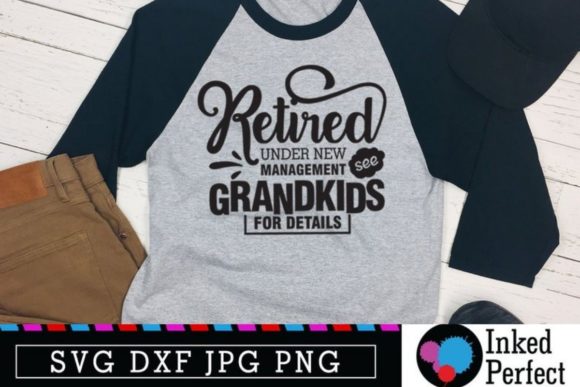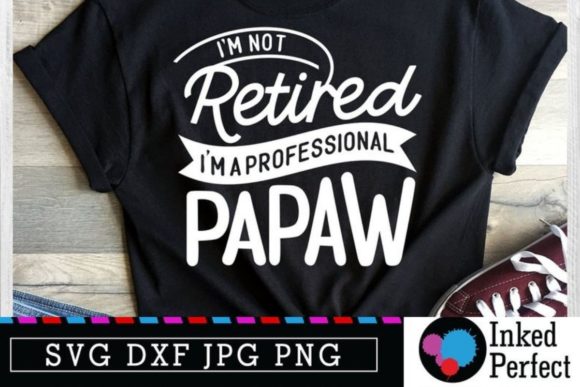
I’m Not Retired I’m a Professional Papaw
When you are reviewing an embroidery design for real-world application, you aren’t just looking at a pretty picture. You are evaluating a production asset. As a designer who frequently tests files for client projects and small business merchandise, my first impression of I’m Not Retired I’m a Professional Papaw is rooted in its immediate emotional resonance and practical layout. This isn’t just a graphic; it is a statement piece that bridges the gap between humor and heartfelt sentiment. For crafters, Etsy sellers, and apparel decorators, understanding how this specific quote translates from screen to fabric is crucial before committing to a full production run.
The First Impression: Mood and Visual Personality
The moment you load this file into your digitizing software or preview it on a mockup, the personality shines through. The phrase “I’m Not Retired. I’m a Professional Papaw” carries a distinct tone—proud, slightly cheeky, and undeniably warm. It captures the modern reality of retirement: it’s not about stopping work, but rather shifting to a more beloved role. Visually, the design likely leverages bold typography to ensure readability, which is a smart choice for embroidery. Unlike intricate floral patterns that can get lost in stitching, text-based designs rely on clean lines and strong contrast.
This design feels best suited for casual, everyday wear. It doesn’t scream high fashion; instead, it whispers comfort and family pride. The visual weight of the text suggests it will hold up well on sturdy fabrics like cotton twill or fleece, making it an ideal candidate for sweatshirts, hoodies, and durable tote bags. The mood is celebratory, turning a personal milestone into a shareable badge of honor. For the handmade product creator, this means the finished item isn’t just a gift; it’s a conversation starter.
Real-World Application: Where This Design Shines
In my experience testing various machine embroidery design files, certain themes naturally find their home in specific categories. This particular design excels in the realm of personalized gifts and custom apparel. Let’s look at a few scenarios where this file would perform exceptionally well.
- Sweatshirt Embroidery: Retirement parties often call for cozy, comfortable clothing. A crewneck sweatshirt embroidered with this quote becomes a staple garment. The heavy fabric provides a stable base for the stitches, ensuring the lettering remains crisp and doesn’t pucker over time.
- Tote Bag Design: For the active grandparent who loves gardening, farmers markets, or carrying grandchildren’s toys, a canvas tote bag is perfect. The durability of the bag matches the longevity of the sentiment. When placed centrally on a tote, the design serves as both decoration and a declaration of identity.
- Kitchen Towels and Aprons: If the design includes decorative accents or smaller secondary text, it works beautifully on kitchen linens. These items are high-turnover gifts for holidays like Father’s Day or Christmas, and the humorous nature of the quote adds a layer of charm that generic kitchenware lacks.
- Baby Embroidery and Nursery Decor: While primarily aimed at the grandparent, this design can also be adapted for baby items. A onesie or burp cloth featuring “Professional Papaw” allows the new grandparent to feel included in the baby’s world immediately. It transforms a standard baby gift into a multi-generational keepsake.
For Etsy sellers and small shop owners, this design offers versatility. It fits seamlessly into collections focused on family, retirement, and grandfather-themed gifts. When creating printable mockups for digital product previews, showcasing this design on a variety of products—from caps to pillow covers—helps buyers visualize the end result, increasing conversion rates.
Technical Considerations and Potential Pitfalls
No design is without its challenges. As a reviewer, I must point out where I’m Not Retired I’m a Professional Papaw might require careful handling during the digitizing and stitching process. Embroidery is a technical craft, and ignoring these nuances can lead to frustrating results.
Hoop Size and Stitch Density: Text-heavy designs can sometimes suffer from low stitch density if not digitized correctly. If the letters are too thin, they may look sparse or fragile after washing. Ensure that the stitch density is sufficient to provide coverage without being so dense that it distorts the fabric. Always check the hoop size requirements; large text blocks need ample space to breathe, while cramped layouts can cause thread breaks.
Fabric Texture and Contrast: The success of any text design relies heavily on thread color contrast against the background fabric. On dark fabrics, light threads are essential, but be wary of textured materials like bouclé wool or heavy denim, which can obscure fine details. Similarly, stretchy fabrics like jersey knit require proper stabilizer usage to prevent the text from warping. If you are working with thin fabric, a cut-away stabilizer is non-negotiable to maintain the integrity of the letters.
Curved Surfaces: Attempting to stitch this design onto a curved surface like a baseball cap requires advanced technique. The curvature can distort straight lines, making the text difficult to read. If you are offering custom caps, test this design thoroughly on scrap material first. Pay close attention to the corners of the letters; if they are too sharp, they may snag or look jagged when stitched around a curve.
Practical Designer Notes for Execution
To ensure the highest quality output, follow these practical steps before starting your production:
- Test on Scrap Fabric: Never go straight to the final product. Stitch the design on a scrap piece of the same fabric type to check for puckering, tension issues, and color accuracy.
- Review Thread Colors: Compare the chosen thread colors against the fabric in natural light. Digital screens can misrepresent color, leading to poor contrast in the final finished product.
- Inspect Small Details: Zoom in on the digitized file. Are there tiny, isolated elements that might break easily? If so, consider simplifying the design or reinforcing those areas.
- Check Licensing: Before selling commercial embroidery items, verify the licensing terms of the digital embroidery file. Some designs are for personal use only, while others allow commercial sales. Confirming this protects your craft business from legal issues.
- Black and White Mockups: Convert your design preview to black and white. This helps you assess the balance and spacing of the text without the distraction of color.
Impact on Brand and Customer Trust
When you sell handmade goods, you are selling trust. A poorly executed embroidery job can undermine even the best product idea. By carefully selecting a well-balanced design like I’m Not Retired I’m a Professional Papaw and executing it with precision, you demonstrate professionalism. Customers notice the difference between a rushed stitch job and a clean, durable finish. This attention to detail builds brand consistency and encourages repeat purchases.
Furthermore, the relatable nature of the quote enhances buyer engagement. People love to share their identities, especially regarding family roles. A product that allows someone to proudly display their status as a “Professional Papaw” taps into that emotional connection. It transforms a simple t-shirt or apron into a meaningful token of love and pride. For creative entrepreneurs, leveraging these emotional triggers is key to standing out in a crowded market.
Final Verdict
I’m Not Retired I’m a Professional Papaw is a strong, versatile design that brings joy and humor to embroidery projects. It performs best on stable fabrics with good contrast and clear digitization. While it requires attention to detail regarding stitch density and fabric choice, the payoff is a high-quality, emotionally resonant product that customers will cherish. Whether you are creating a one-off gift for a loved one or stocking your online shop with trending retirement gear, this design offers a reliable foundation for success. Just remember to test, plan, and execute with care, and your clients will thank you for the craftsmanship.