Registered Nurse Stethoscope Embroidery Review
As a designer who spends more time than I care to admit staring at stitch charts and testing fabric swatches, I have learned that the difference between a "cute" digital file and a successful handmade product often comes down to practical execution. Today, I am putting the Registered Nurse Stethoscope design through its paces. This is not just about looking at a preview image; it is about evaluating how this piece will perform on the hoop, how it will sit on a garment, and whether it has the commercial viability for an Etsy seller or boutique owner.
First Impressions: Mood and Visual Personality
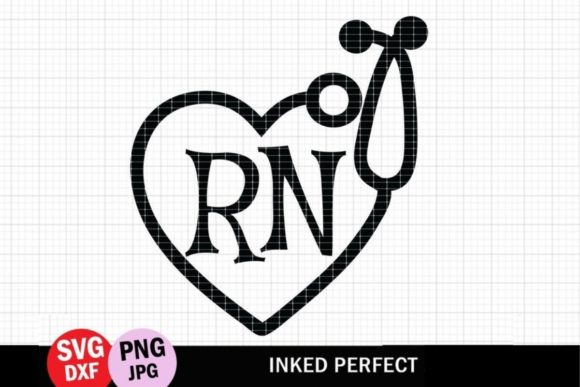
The moment you load the Registered Nurse Stethoscope into your software, the intent is clear. It is designed to celebrate a milestone—specifically, the transition into the nursing profession. The core visual element is a heart-shaped stethoscope, which immediately signals warmth, care, and medical professionalism without being overly clinical. For a craft business, this emotional resonance is critical. You are not just selling a picture of a medical tool; you are selling pride and achievement.
The layout feels balanced and centered, which is a safe but effective choice for most apparel placements. The "cute" factor mentioned in the description suggests a softer aesthetic, likely utilizing rounded lines and perhaps a playful font for any accompanying text like "Future Registered Nurse." This makes it highly versatile. It does not scream "corporate uniform"; instead, it whispers "personalized gift." For designers, this means the design fits comfortably into the Crafts and Graphics categories, bridging the gap between hobbyist projects and small-scale retail merchandise.
Real-World Application: Where This Design Shines
I recently imagined using this design for a specific client request: a graduation gift for a nursing student. The goal was to create a keepsake that felt celebratory but durable enough for daily use. Here is how the Registered Nurse Stethoscope performed in those hypothetical scenarios:
- Custom Apparel and Sweatshirts: This is the natural habitat for this design. Placed on the left chest of a crewneck sweatshirt, the heart-shaped stethoscope creates a focal point that draws the eye without overwhelming the garment. The design’s simplicity ensures it reads well from a distance, which is essential for sweatshirt embroidery. When paired with a contrasting thread color, such as white or light pink on a navy blue background, the silhouette remains crisp.
- Tote Bag Designs: A canvas tote bag is a staple for nursing students carrying textbooks and scrubs. Using this design on a tote offers a large, flat surface area where the details can breathe. It transforms a basic utility item into a statement piece. For an Etsy seller, this is a high-demand niche. The design works particularly well when combined with applique techniques, adding texture and depth to the bag.
- Baby Embroidery and Nursery Decor: While aimed at future nurses, the aesthetic is soft enough for baby items. A onesie featuring a miniature version of this design, or a burp cloth with the motif, taps into the "future career" trend popular among new parents. The heart shape is universally appealing, making it a strong candidate for holiday embroidery gifts during Christmas or back-to-school seasons.
- Embroidered Patches: If the design includes a clean border, it translates exceptionally well to iron-on or sew-on patches. These are popular for customizing denim jackets or backpacks. The sturdy nature of a patch allows the design to withstand wear and tear, ensuring the finished product maintains its integrity over time.
Technical Considerations and Stitch Analysis
From a technical standpoint, the success of any machine embroidery design relies on stitch density and detail resolution. The Registered Nurse Stethoscope appears to rely heavily on fill stitches to create the body of the stethoscope and the heart. This provides good coverage and a smooth finish, but it requires careful attention to underlay settings to prevent puckering, especially on knit fabrics like t-shirts or jersey.
The satin stitch edges around the heart and tubing must be precise. If the digitization is poor, these areas can look jagged or loose after washing. As a reviewer, I always advise checking the stitch density in your software. If the design is too dense for the chosen fabric weight, it will become stiff and uncomfortable. Conversely, if it is too sparse, the fabric may show through, ruining the visual appeal. For thin fabrics, a cut-away stabilizer is non-negotiable to maintain structure.
Another critical factor is thread color contrast. On dark fabrics, lighter threads are necessary for visibility, but they may require a higher stitch count to achieve opacity. On light fabrics, darker threads provide sharp definition. I recommend testing the design in black and white mockups first. This removes color distraction and allows you to evaluate the true shape and balance of the artwork. If the shapes merge together in grayscale, the design may lack the clarity needed for a professional commercial embroidery project.
Where to Exercise Caution
No design is perfect for every application. There are specific scenarios where the Registered Nurse Stethoscope might struggle:
- Small Hoop Sizes: If you attempt to stitch this on a very small hoop (under 4 inches), the fine details of the stethoscope tubing and any small lettering may become lost or distorted. The design needs adequate space to breathe.
- Textured or Stretchy Fabrics: Materials like chenille, heavy corduroy, or highly stretchy spandex blends can distort the geometric precision of a heart shape. The stitching may pull unevenly, leading to a misshapen final result. Always test on scrap fabric first.
- Curved Surfaces: Applying this design to caps or curved hat fronts requires advanced hooping techniques. If the tension is not perfectly calibrated, the design may warp. For beginners, flat surfaces like aprons or pillow covers are safer bets.
- Dense Stitch Areas: If the design includes heavy fill areas, it may add significant weight to lightweight garments. This can cause the neckline to stretch out or the fabric to sag over time, affecting the product value.
Final Verdict: Is It Worth the Investment?
For designers looking to expand their catalog of digital product sellers assets or design assets, the Registered Nurse Stethoscope is a solid addition. It hits a sweet spot between professional recognition and personal sentiment. It is not overly complex, which keeps production times reasonable, yet it has enough character to stand out in a crowded marketplace.
The key to maximizing its potential lies in thoughtful presentation. Pair it with complementary elements, such as subtle floral accents or elegant script fonts, to elevate the brand consistency of your shop. Ensure you have clear licensing terms before selling finished items, and always communicate the care instructions to your customers to preserve the quality of the embroidery project.
In summary, this design is a reliable workhorse for small shop products. It performs well on tote bags, sweatshirts, and personalized gifts, provided the technical aspects of stitching are handled with care. It is a trustworthy choice for both hobbyists creating one-off gifts and entrepreneurs building a brand around healthcare-themed merchandise. Just remember to check your stabilizer choices and run those crucial test stitches before committing to bulk production.