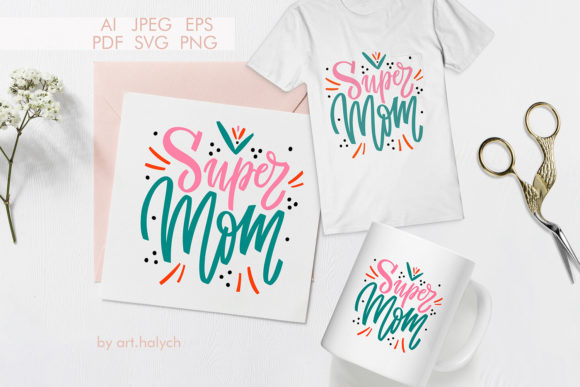
Super Mom Cut File for Crafters
As a designer who spends half the day in digitizing software and the other half troubleshooting why a satin stitch is puckering on cotton twill, I approach every new asset with a healthy dose of skepticism. The market is flooded with generic clip art, but when it comes to creating a handmade product that actually sells or holds sentimental value, the difference between a good file and a great one is often invisible until the needle hits the fabric.
I recently evaluated the Super Mom Cut File for Crafters, specifically looking at how this machine embroidery design translates from a digital vector into a tangible, stitched reality. This isn't just about whether it looks cute on a screen; it’s about how it behaves under tension, how the lettering reads after washing, and whether it adds enough perceived value to justify the time spent stitching. Here is my practical breakdown of using this design for real-world projects, from Etsy listings to personal gifts.
First Impressions: Mood and Visual Personality
The immediate appeal of this design lies in its handwritten lettering style. In the world of embroidery project assets, clean geometric fonts can sometimes feel cold or corporate, whereas script and hand-lettered styles evoke warmth, personality, and care. For a theme like "Super Mom," this emotional connection is critical. The visual personality feels approachable and celebratory rather than rigid.
From a layout perspective, the composition allows for flexibility. Whether you are placing this on a chest pocket area of a sweatshirt or centering it on the front of a tote bag, the balance feels right. It doesn’t scream for attention so aggressively that it overwhelms the garment, but it is distinct enough to be recognized as a statement piece. This subtlety is key for custom apparel that customers will wear regularly. If a design is too loud, it becomes a novelty item; if it’s too quiet, it gets lost in the noise of everyday wear. This design strikes a solid middle ground.
Real-World Application: Where This Design Shines
When I imagine deploying this embroidery file in a commercial setting, certain categories stand out immediately. The most obvious application is the classic tote bag design. Canvas bags are durable, forgiving fabrics that handle fill stitch and dense text beautifully. A "Super Mom" tote bag makes for an exceptional personalized gift for Mother’s Day, birthdays, or teacher appreciation weeks. The contrast between the sturdy canvas and the soft texture of embroidery threads creates a tactile quality that prints simply cannot match.
Another strong candidate is sweatshirt embroidery. Fleece and French terry provide a plush background that makes thread colors pop. However, this requires careful attention to stabilizer selection to prevent sinking. For smaller items, consider this for apron embroidery for home cooks or baristas. The durability of embroidered text means it won’t peel or crack in the wash, a significant selling point for functional craft business items.
For the Etsy seller or small shop owner, this design also lends itself well to embroidered patch applications. By adding a border and backing, you can create detachable badges for denim jackets or backpacks. This expands the utility of the design beyond a single use case, allowing you to offer variations that appeal to different customer preferences. Furthermore, as a digital embroidery file, it serves as a versatile design asset for those who might want to create printable mockups to preview the final look before committing to production.
Technical Considerations and Potential Pitfalls
No design is without its challenges, and understanding where this file might struggle is just as important as knowing where it excels. The handwritten nature of the text introduces specific risks regarding legibility and stability.
- Hoop Size and Detail: Always test the design in your intended hoop size first. Handwritten scripts often contain thin, delicate connections between letters. On a small hoop, these fine details may become distorted or break during the hooping process due to excessive tension. If the design includes tiny decorative accents, ensure they are large enough to hold their shape.
- Fabric Texture and Stretch: While this design works well on stable fabrics like canvas or cotton, exercise caution on highly textured or stretchy materials. Knits require excellent stabilization, and uneven surfaces can cause the satin stitch edges to look jagged or misaligned. Dark fabrics can also hide lighter thread colors, so always check contrast before starting a full run.
- Dense Stitch Areas: If the design uses heavy fill stitch areas, particularly around the curves of the letters, you risk puckering. This is especially true on thinner fabrics. Using a cut-away stabilizer is non-negotiable for long-term durability, ensuring the garment doesn’t distort after repeated laundering.
- Curved Surfaces: Attempting to embroider this directly onto a curved surface like a baseball cap can be tricky. The flat layout of the digital file may not account for the three-dimensional curve of the hat crown, potentially leading to stretching or distortion of the lettering. Flat embroidery on a patch applied to a cap is a safer route.
Designer’s Notes for Execution
To get the best results from the Super Mom Cut File for Crafters, I recommend following a strict pre-production checklist. First, inspect the vector paths in your editing software. Look for any overlapping nodes or unintended gaps in the lettering that could cause thread breaks or messy jumps during stitching.
Thread color selection is paramount. Because the font is handwritten, high-contrast combinations work best. A dark navy thread on white canvas, or bright gold on black fleece, will ensure the message is readable from a distance. Avoid low-contrast pairings like light gray on white, which can look muddy once stitched.
Before committing to your final product, run a test stitch on scrap fabric that matches the weight and texture of your actual material. Check the thread colors under different lighting conditions. Does the design still read clearly? Are there any areas where the stitch density feels too heavy? Testing in black and white mockups can also help you evaluate the silhouette and balance of the design independent of color distractions.
Finally, confirm licensing terms. If you plan to sell finished goods created with this Grahpics asset, ensure you have the appropriate commercial license. Many creators operate within specific guidelines regarding how many units can be sold or whether the design can be resold as a digital file itself. Respecting these boundaries protects your commercial embroidery business and maintains ethical standards within the crafting community.
Final Verdict
The Super Mom Cut File for Crafters is a thoughtful, emotionally resonant design that fits seamlessly into the workflow of serious makers. It avoids the trap of being overly complex while maintaining enough visual interest to stand out in a crowded marketplace. With proper attention to fabric choice, stabilization, and thread contrast, this design can elevate simple products into cherished keepsakes. For the creative entrepreneur looking to add a touch of heartfelt professionalism to their catalog, this is a reliable and attractive addition.