The Wheels on the Bus Design Review
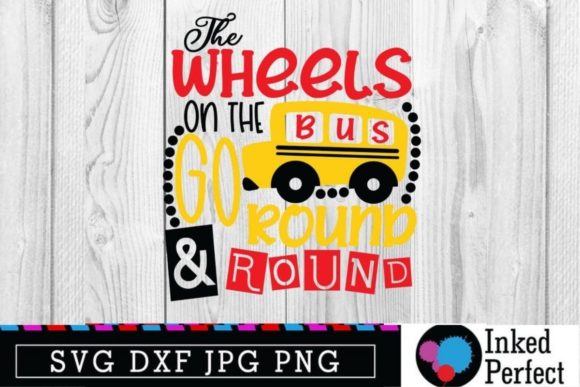
Let’s be honest: if you are in the embroidery business, you have likely encountered "The Wheels on the Bus." It is a staple of early childhood education, a universal cultural touchstone, and a guaranteed conversation starter. But as an experienced designer who has stitched hundreds of novelty designs for clients ranging from daycares to boutique baby shops, I know that not all interpretations of this classic rhyme are created equal. Today, I am evaluating The Wheels on the Bus Go Round and Round, a graphic-heavy design that promises cheerfulness, color, and a specific visual personality centered around a yellow school bus and creative typography.
This review isn’t just about whether it looks cute on a screen. It is about how it performs under the needle, how it translates to finished products like custom apparel or tote bags, and whether it adds enough value to justify its use in your craft business or personal projects. We will look at this through the lens of practical application, stitch density, and market appeal.
First Impressions and Visual Personality
When you first load The Wheels on the Bus Go Round and Round into your digitizing software, the immediate takeaway is its vibrant energy. The description highlights a cheerful yellow school bus paired with creative fonts. In my experience, combining illustrative elements (the bus) with text-based graphics (the quote) creates a busy visual field. This design does not rely on subtle elegance; it relies on recognition and joy.
The mood is undeniably playful. For a handmade product, this translates to high engagement. Parents, grandparents, and teachers instantly recognize the theme. However, the "creative fonts" mentioned in the product details require careful scrutiny. Typography in machine embroidery can be tricky. If the letters are overly stylized, cursive, or thin, they may lose legibility when stitched. A successful embroidery project must balance artistic flair with readability. From a viewer’s perspective, this design feels like it belongs in the nursery or on casual wear rather than formal attire.
Real-World Application: Where Does It Fit?
I often test new machine embroidery designs by imagining them on specific products before I even thread the hoop. Here is where The Wheels on the Bus Go Round and Round shines:
- Baby and Toddler Apparel: This is the natural home for this design. Think onesies, bibs, and soft sweatshirts. The bright yellow bus contrasts beautifully against white, pastel pink, or light blue fabrics. It makes for an excellent personalized gift for a baby shower or a birthday.
- Tote Bags and Canvas Items: A sturdy canvas tote bag provides a perfect neutral background for such a colorful graphic. The boldness of the design ensures it stands out in a crowded market, making it a strong candidate for an Etsy seller looking for impulse-buy items.
- Nursery Decor and Textiles: Pillow covers, quilts, or wall hangings benefit from the narrative aspect of the design. The combination of the bus image and the lyrics creates a storybook feel that appeals to parents decorating a child’s room.
- Craft Fair Merchandise: For makers selling at local fairs, this design offers broad appeal. It is gender-neutral, culturally relevant, and universally understood. It reduces the risk of unsold inventory because almost every customer has a connection to the song.
However, it is less suitable for minimalist aesthetics or high-end corporate branding. If you are aiming for a sophisticated, understated brand identity, this design might feel too juvenile. It is best suited for craft business ventures focused on family, education, or children’s wear.
Technical Performance and Stitch Considerations
As a reviewer, I must address the technical side. The product description notes "creative fonts" and a detailed bus illustration. This implies a mix of stitch types, likely including satin stitch for outlines, fill stitch for the body of the bus, and potentially running stitch for small details like wheels or windows.
Stitch Density is a critical factor here. Designs with large areas of fill stitch, especially in bright yellow thread, can become heavy and stiff. If the density is too high, the fabric may pucker, particularly on lightweight materials. Before committing to a full production run, always test the design on scrap fabric. Check how the yellow thread interacts with the base fabric. On white cotton, the yellow will pop. On cream or beige, it might blend in too much, losing the visual impact.
Furthermore, consider the hoop size. If the design includes both the bus and the full phrase "The Wheels on the Bus Go Round and Round," it may require a larger hoop. Large hoops can be cumbersome on curved surfaces like caps or sleeves. If you plan to use this on a sweatshirt embroidery project, ensure your machine can handle the dimensions without requiring re-hooping, which can misalign the design.
Challenges with Specific Fabrics and Surfaces
Not all surfaces are created equal. While this design works well on flat, woven fabrics like cotton or canvas, it presents challenges elsewhere:
- Stretchy Fabrics: Knits and jersey fabrics can distort during stitching. Without proper stabilizer support, the creative fonts may warp, making the text unreadable.
- Textured Fabrics: Denim or fleece can hide fine details. If the bus illustration has small intricate parts, they may get lost in the texture of the fabric.
- Dark Fabrics: Yellow thread on dark fabric requires a backing or underlay to prevent the thread from looking translucent or weak. Additionally, the contrast between the yellow bus and a dark background needs to be carefully managed to maintain clarity.
- Curved Surfaces: Embroidering on a cap or a rounded pillow corner requires precise digitizing. If the design is not optimized for curvature, the text may appear stretched or compressed.
Commercial Viability and Customer Perception
For small shop owners and digital product sellers, the question is always: will this sell? The Wheels on the Bus Go Round and Round has high commercial potential due to its evergreen nature. Unlike seasonal designs that expire after December, this theme remains relevant year-round, though it sees spikes during back-to-school season and summer vacations.
The design enhances product value by adding emotional resonance. A plain t-shirt is just clothing; a t-shirt with a nostalgic, cheerful design becomes a keepsake. Customers trust designs that look professional and polished. If the thread colors are chosen wisely—avoiding muddy tones and ensuring sharp contrast—the finished product will reflect well on your brand consistency.
It is also highly adaptable for printable mockups. Even if you do not physically embroider every item, showcasing this design in digital previews allows customers to visualize the final result. This is crucial for online sales where tactile feedback is impossible.
Practical Designer Notes for Implementation
Before you start stitching, keep these practical tips in mind to ensure success:
- Test on Scrap Fabric: Always run a test stitch-out. Check for puckering, thread breaks, and alignment issues.
- Check Thread Contrast: Ensure the yellow bus and the text colors stand out against your chosen fabric. Use a black-and-white filter on your design file to check contrast levels.
- Inspect Small Details: Zoom in on the digitized file. Are the wheel spokes distinct? Is the text kerning appropriate? Tiny errors become glaring mistakes when embroidered.
- Use Proper Stabilizer: Heavy designs need stable backing. Tear-away stabilizers work well for woven fabrics, while cut-away may be necessary for stretchy or permanent applications.
- Verify Licensing: If you plan to sell finished items, confirm the license terms. Some digital embroidery files are for personal use only. Commercial licenses allow you to sell the physical products, but restrictions may apply to reselling the file itself.
- Consider Applique Options: If the design supports it, using applique design techniques for the bus could add dimension and reduce thread usage, resulting in a softer hand feel.
Final Verdict
The Wheels on the Bus Go Round and Round is a solid, market-ready design for anyone in the children’s apparel or gift niche. Its strength lies in its instant recognizability and cheerful aesthetic. While it requires careful attention to stitch density and fabric choice to avoid common pitfalls like distortion or poor contrast, the payoff is a high-demand product that resonates with buyers.
For hobbyists, it is a fun project that yields a tangible, lovable result. For commercial designers, it is a reliable asset that can drive sales across multiple product categories, from embroidered patches to kitchen towels. Just remember to test thoroughly, choose your threads wisely, and respect licensing agreements. When executed correctly, this design transforms simple fabric into a memorable piece of wearable art.