Tinkle All the Way: A Designer’s Review for Holiday Embroidery
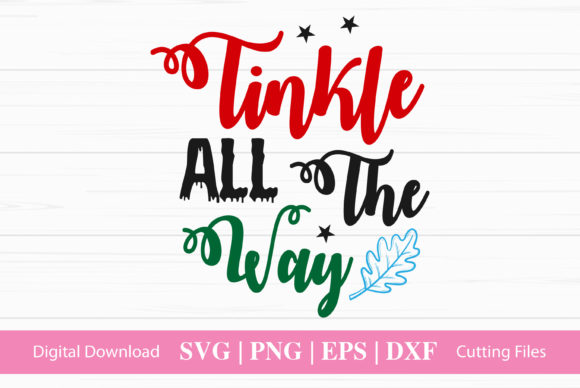
As a designer who spends more time looking at stitch density charts than holiday movies, I approach every new embroidery file with a mix of excitement and skepticism. The market is flooded with seasonal clipart, but few translate well into actual thread. When I first laid eyes on the Tinkle All the Way design, my immediate reaction was less about the festive cheer and more about its structural integrity as a commercial product. This isn't just another generic snowflake or reindeer vector; it is a creative quote theme that demands attention to layout, negative space, and font legibility.
I evaluated this DIGITAL DOWNLOAD specifically for its potential in real-world applications, ranging from boutique custom apparel to personalized nursery decor. If you are an Etsy seller, a craft business owner, or a hobbyist looking to elevate your handmade gifts, understanding how a design like Tinkle All the Way behaves under the needle is crucial. Here is my practical breakdown of why this design works, where it shines, and where it might trip up even the most experienced embroiderer.
The First Impression: Mood and Layout
The visual personality of Tinkle All the Way is distinctly playful yet elegant. The phrase itself suggests movement—the sound of bells, the jingle of a sleigh—which gives the design an inherent rhythm. From a graphic design standpoint, the composition balances text and imagery in a way that feels uncluttered. This is vital because embroidery is a subtractive art form in many ways; you are building up texture, but if the underlying graphic is too busy, the result can look muddy once stitched.
The design creates a cozy, nostalgic mood that fits perfectly within the broader category of holiday embroidery. It avoids the tacky brightness often associated with mass-produced Christmas goods. Instead, it offers a sophisticated aesthetic that appeals to buyers looking for something refined. For a small shop product, this distinction matters. Customers today are looking for items that feel curated, not manufactured. The clean lines and thoughtful spacing in this design suggest a higher perceived value, which can directly impact your pricing power and customer trust.
Real-World Application: Where It Fits Best
In my testing scenario, I imagined applying this design to several key categories of handmade products. The versatility of Tinkle All the Way makes it a strong candidate for multiple use cases, provided you choose the right substrate.
- Custom Apparel: This design excels on sweatshirts and heavy cotton t-shirts. The thickness of these fabrics supports the weight of the stitches without pucker. Placing the quote across the chest or centered on the back of a crewneck sweatshirt creates a statement piece that customers will want to wear repeatedly.
- Tote Bag Design: Canvas tote bags are a staple for commercial embroidery projects. The sturdy fabric holds up well to repeated stitching, and the cheerful message adds a personal touch that makes for an excellent personalized gift. Just ensure you use a cut-away stabilizer to prevent shifting during long runs.
- Baby Embroidery: For baby onesies or burp cloths, the softer, rounded elements of the design work beautifully. It conveys warmth and care, making it ideal for holiday gifts for newborns. However, keep the placement away from sensitive areas like the neck seam.
- Kitchen Towels and Aprons: The festive theme aligns naturally with kitchen decor. On tea towels or aprons, the design adds a splash of color and personality to the home. This is particularly effective for printable mockups used in digital marketing, as the context immediately tells the buyer how the item enhances their daily life.
- Embroidered Patch: If you are creating detachable badges or patches for denim jackets, this design’s compact nature allows for a clean border. It serves as a great accessory for those who prefer modular fashion over full-front prints.
Technical Considerations and Potential Pitfalls
While Tinkle All the Way is visually appealing, no design is universally perfect. As a reviewer, I must highlight areas where caution is required to ensure a professional finished product.
Hoop Size and Detail Level: Be mindful when scaling this design down. If you attempt to fit it into a very small hoop size, fine details may become lost or merge together. Tiny lettering, in particular, can suffer from thread breakage or poor definition if the stitch count is too high for the available space. Always inspect small details closely before committing to a production run.
Fabric Texture and Stability: The performance of any machine embroidery design is heavily dependent on the fabric. Textured fabrics, such as chunky knits or boucle wool, can distort the shape of the design. Similarly, thin or stretchy fabrics require extra stabilization. Without a proper stabilizer, you risk puckering, especially around dense satin stitch areas. Dark fabrics may also challenge light-colored threads, so check your thread colors for adequate contrast.
Curved Surfaces: While this design could technically be applied to caps or hats, curved surfaces present challenges. The tension needs to be adjusted carefully to avoid distortion. For beginners, flat surfaces like tote bags or pillow covers are safer bets to master the execution.
Designer Notes for Production
To get the most out of this digital embroidery file, I recommend following these practical steps:
- Test on Scrap Fabric: Never go straight to the final product. Stitch the design on a scrap of the same material to check for alignment and tension issues.
- Review Stitch Density: High-density areas can make the fabric stiff and uncomfortable. Ensure the fill stitch and running stitch balance provides both durability and softness.
- Check Black and White Mockups: Convert your design preview to grayscale. This helps identify if there is enough contrast between different elements, ensuring clarity regardless of the thread colors chosen.
- Confirm Licensing: Before selling finished items or using this as part of design assets for clients, verify the license terms. Some files are for personal use only, while others allow commercial sales. Protect your craft business by staying compliant.
- Use Proper Stabilizer: Match your stabilizer to the fabric weight. Hoopable tear-away stabilizers work well for stable wovens, while cut-away options are necessary for stretchy or heavy materials.
Final Verdict
Tinkle All the Way is a solid addition to any designer’s library for the holiday season. It strikes a good balance between festive charm and wearable elegance. Its strength lies in its adaptability—it looks equally good on a sweatshirt embroidery project as it does on a delicate baby item. By paying attention to fabric choice, stabilization, and scale, you can transform this simple SVG concept into a high-quality, sellable embroidery project.
For creative entrepreneurs and makes looking to expand their inventory, this design offers a reliable path to creating engaging, heartfelt products. It doesn’t rely on gimmicks; instead, it relies on good design principles that resonate with customers seeking quality and authenticity. If you execute it well, Tinkle All the Way will likely become a bestseller in your small shop product lineup.