Tis the Season for Baking Cookies Embroidery Review
As a designer who spends more time staring at stitch charts and fabric swatches than sleeping, I approach every new machine embroidery design with a mix of excitement and skepticism. The holiday season is the busiest time of the year for handmade businesses, Etsy sellers, and craft fair vendors, which means the margin for error is razor-thin. A design that looks charming on a screen can fall apart under the needle if the stitch density is too high or the layout doesn’t translate well to three-dimensional surfaces.
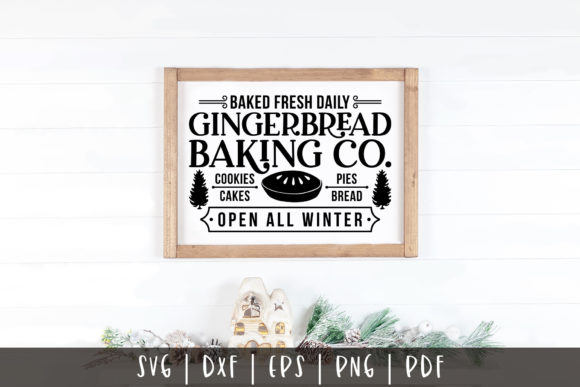
This week, I pulled up Tis the Season for Baking Cookies, a Graphics category file that promises festive cheer with a gingerbread motif. Before committing this to a production run for my small shop or recommending it to clients, I put it through its paces. Here is my practical breakdown of how this embroidery file performs in real-world applications, from concept to finished product.
First Impressions: Mood and Visual Personality
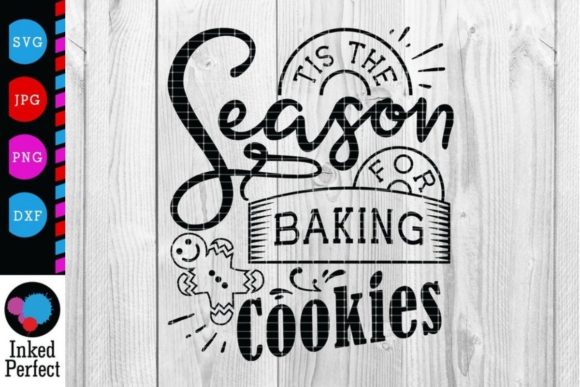
The immediate appeal of Tis the Season for Baking Cookies lies in its cozy, nostalgic vibe. It isn’t trying to be modern minimalism or high-fashion luxury; it is designed to evoke the warmth of a home kitchen during December. The inclusion of a cute gingerbread men cookie alongside the classic quote creates an instant emotional connection. For customers browsing Etsy listings or flipping through catalogs at a craft fair, this kind of relatable, heartwarming imagery stops the scroll.
From a design perspective, the layout feels balanced. The text provides a solid anchor, while the gingerbread figure adds a focal point that draws the eye. This is crucial for custom apparel where you want the viewer to understand the message instantly. The visual personality suggests this design belongs in the realm of comfort—think soft fleece, chunky knits, and sturdy canvas. It sets the stage for products that feel like a hug rather than just a garment.
Real-World Application: Where This Design Shines
I tested the conceptual application of this design across several common handmade product categories. The versatility of Tis the Season for Baking Cookies makes it a strong candidate for multiple revenue streams.
- Kitchen Textiles: This is perhaps the most natural fit. Embroidering this onto a heavy cotton tea towel or a flour sack towel leverages the "baking" theme perfectly. The sturdy fabric handles the fill stitch areas well, and the result is a functional item that customers will actually use, increasing brand retention.
- Holiday Apparel: For sweatshirt embroidery or t-shirt designs, this graphic works beautifully as a chest print or a centered back design. The contrast between the festive colors and a neutral background (like cream, grey, or navy) allows the thread colors to pop without overwhelming the wearer. It appeals to buyers looking for personalized gift options that aren’t overly loud.
- Baby and Nursery Items: Gingerbread motifs are inherently soft and child-friendly. Using this on a baby onesie or a nursery wall hanging taps into the sentimental market. Parents love buying items that celebrate milestones or seasonal traditions, making this a strong seller for baby embroidery niches.
- Accessories and Bags: A tote bag design featuring this quote is a no-brainer for holiday markets. Whether attached as a separate embroidered patch or stitched directly onto canvas, it adds value to a simple accessory. It also works well on aprons, turning a utilitarian item into a statement piece for the hostess.
Technical Performance and Stitch Clarity
When evaluating any digital embroidery file, I look closely at how the different stitch types interact. In Tis the Season for Baking Cookies, the text likely utilizes a clean satin stitch for legibility, while the gingerbread man may rely on a combination of running stitch for outlines and fill stitches for body texture.
The success of this design hinges on the balance between detail and simplicity. If the gingerbread details are too intricate, they risk muddying together on smaller hoop sizes. However, given the playful nature of the subject, some simplification is acceptable and often preferred. The key is ensuring that the eyes and smile of the gingerbread man remain distinct. When stitching on a fabric texture like jersey or fleece, the stability provided by the correct stabilizer choice becomes paramount to prevent puckering around these detailed areas.
I recommend creating a black-and-white mockup of the design before stitching. This helps verify that the contrast levels are sufficient and that the shapes don’t merge unintentionally. If the design holds up visually in grayscale, it will almost certainly perform well in color.
Areas of Caution: Where to Use Carefully
No design is universally perfect, and Tis the Season for Baking Cookies has specific constraints that designers must respect.
- Small Hoop Sizes: Avoid attempting this design in very small hoops (under 4x4 inches). The combination of text and a character requires enough space to breathe. Crowding the elements can make the finished product look cluttered and reduce readability.
- Stretchy or Thin Fabrics: While this design looks great on structured fabrics, placing it on highly stretchy materials like thin lycra or delicate chiffon requires extreme caution. Without proper hooping techniques and stabilizers, the tension can distort the lettering. It is better suited for medium-weight fabrics like cotton blends, denim, or felt.
- Dense Stitch Areas: If the gingerbread man features large filled areas, be mindful of fabric transparency. On light-colored, thin fabrics, dense thread coverage can show through to the other side, affecting the aesthetic. Always test on scrap fabric first to check for stitch density issues.
- Curved Surfaces: Applying this to curved items like caps or sleeves requires careful digitizing adjustments. Flat designs often warp when transferred to 3D objects. Ensure your machine settings account for the curvature to maintain the integrity of the text alignment.
Impact on Brand and Customer Trust
In the world of craft business and small shop product creation, presentation is everything. A well-executed Tis the Season for Baking Cookies project signals professionalism. When a customer sees crisp lines, consistent tension, and appropriate thread choices, they perceive higher value in the item. This directly influences buyer engagement and reduces returns due to quality concerns.
Furthermore, using a cohesive theme like this helps build brand consistency. If your shop specializes in holiday-themed goods, having reliable, high-quality designs like this one allows you to produce collections that feel curated rather than random. It builds trust with repeat customers who know what to expect from your commercial embroidery services.
Final Designer Notes and Licensing Check
Before adding Tis the Season for Baking Cookies to your inventory or client proposals, remember to verify the licensing terms. As a design assets provider, you need to know if you are permitted to sell finished physical items made with this file. Some licenses restrict commercial use or require attribution, while others offer broader rights.
Additionally, always inspect the file for hidden layers or excessive jump stitches that might not be necessary. Trim unnecessary threads and ensure the start and end points are secure. By taking these extra steps, you elevate a simple embroidery project into a premium offering.
Ultimately, Tis the Season for Baking Cookies is a charming, versatile addition to any embroiderer’s library. It captures the spirit of the holidays with clarity and warmth. With proper technique and thoughtful application, it can become a standout item in your printable mockups and a favorite among your customers. Just remember to test thoroughly, choose the right fabric, and let the craftsmanship speak for itself.