Mistletoe Margaritas: A Designer’s Review
As an embroidery designer who has spent years testing digital assets for real-world application, I approach every new file with a mix of optimism and skepticism. The market is flooded with generic holiday graphics, but few manage to balance visual charm with technical viability. Recently, I pulled the Mistletoe Margaritas design from the Crafts category into my studio workflow to see if it holds up under the needle. This isn’t just another festive clipart; it is a graphic that demands specific consideration regarding stitch type, fabric choice, and end-use.
The initial impression of Mistletoe Margaritas is one of playful sophistication. It captures the spirit of winter gatherings without leaning too heavily on cliché snowflakes or rigid geometric patterns. For designers looking to add a touch of humor and warmth to their holiday embroidery collections, this design offers a distinct personality. However, translating a sublimation-style SVG into a stitched embroidery project requires more than just importing the file. It requires understanding how the lines will behave when converted into thread.
Visual Personality and First Impressions
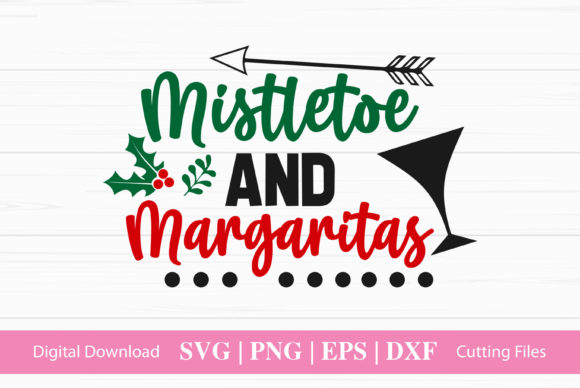
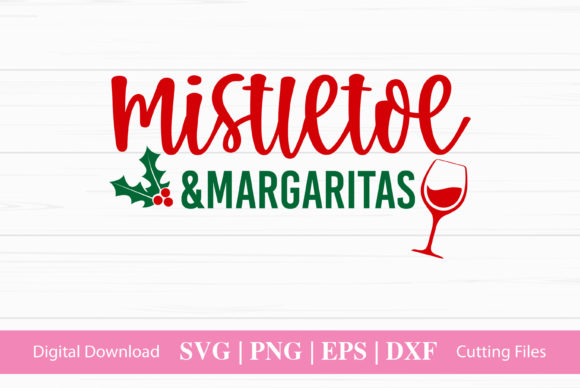
When I first opened the design file, the layout struck me as balanced yet dynamic. The combination of botanical elements (mistletoe) with a celebratory motif (the margarita glass) creates a narrative that resonates with modern crafters. It feels less like a traditional Christmas ornament and more like a lifestyle statement. This makes it particularly effective for custom apparel and boutique branding.
The creative theme relies heavily on clean lines and negative space. In the world of machine embroidery design, negative space is your friend, provided it is managed correctly. The design does not appear overly cluttered, which suggests good potential for stitching clarity. However, the "quote" aspect mentioned in the product description implies text integration. Text in embroidery is notoriously tricky; if the lettering is too thin or the kerning too tight, it can pucker or become illegible after washing. My first instinct was to scrutinize the typography to ensure it would survive the tension of the hoop and the friction of the needle.
Real-World Application: Where Does It Fit?
I evaluated Mistletoe Margaritas across several common product categories to determine its versatility. Here is how I see it performing in actual production scenarios:
- Tote Bag Design: This is perhaps the strongest use case. Canvas totes provide a sturdy, flat surface that handles medium-density stitching well. The playful nature of the design complements the casual utility of a tote bag, making it an ideal personalized gift for holiday parties or office exchanges.
- Sweatshirt Embroidery: Heavy cotton blends are forgiving, but they require careful stabilizer selection. The design’s cheerful vibe fits perfectly on the front chest or back yoke of a crewneck sweatshirt. It elevates a basic garment into a handmade product with high perceived value.
- Kitchen Towels and Aprons: For Etsy sellers focusing on home goods, this design works beautifully on linen or cotton tea towels. The contrast between the festive theme and domestic utility is appealing. Just be mindful of thread colors against light backgrounds.
- Baby Embroidery: While the theme is adult-oriented (alcohol-related), the aesthetic could be adapted for baby items if the text is removed or altered. As-is, it is better suited for parents rather than infants, though it could work on a nursery wall hanging if framed digitally.
- Embroidered Patch: Converting this into a patch for denim jackets or bags is a viable option. The defined edges of the design lend themselves well to a satin-stitched border, creating a cohesive finished product.
Technical Considerations and Stitch Analysis
Transitioning from a vector graphic to an embroidery file involves interpretation. The software must decide where to place satin stitch, fill stitch, and running stitch. With Mistletoe Margaritas, the delicate leaves of the mistletoe likely require fine running stitches or small fill areas to maintain their shape without becoming blobby. If the stitch density is too high, the fabric may pucker; if it is too low, the design may look sparse.
I recommend testing the design on scrap fabric before committing to a customer order. Pay close attention to the transition points between different stitch types. Jumps and trims should be minimized to reduce bulk. Also, consider the thread colors carefully. A classic red and green palette is expected, but introducing a metallic gold for the glass rim or a crisp white for the foam could elevate the design significantly. Always check thread color contrast, especially if you plan to embroider on dark fabrics.
Where to Use Caution
Not every surface is suitable for every design. There are specific scenarios where Mistletoe Margaritas might struggle:
- Small Hoop Sizes: If the design exceeds 4x4 inches, it may lose detail in smaller hoops. Ensure the hoop size accommodates the full artwork without unnecessary digitizing compromises.
- Textured or Stretchy Fabrics: Knits, jersey, or heavily textured wools can distort the design. These materials require additional stabilizers and possibly a hooping technique change to prevent shifting.
- Curved Surfaces: Embroidering on caps or curved seams introduces distortion. While possible, it requires advanced digitizing skills to map the design onto the curve accurately. For most small shop products, flat surfaces are safer.
- Dense Stitch Areas: If the design includes large solid blocks of color, it may become stiff and uncomfortable to wear. Balance is key. Use lighter fills or openwork techniques where appropriate.
Impact on Brand and Customer Trust
For craft business owners, the quality of the design directly impacts customer trust. A poorly executed embroidery job can lead to returns and negative reviews. Conversely, a well-executed Mistletoe Margaritas design signals professionalism. When customers receive a custom apparel item with crisp stitches and vibrant colors, they are more likely to leave positive feedback and return for future purchases.
The design also enhances brand consistency. If your shop specializes in witty, festive gifts, this asset aligns perfectly with that identity. It helps create a recognizable style that buyers can associate with your brand. Furthermore, using high-quality design assets allows you to charge a premium price. Customers are willing to pay more for handmade items that look polished and intentional.
Practical Designer Notes
Before adding this to your commercial library, keep these steps in mind:
- Test on Scrap Fabric: Never skip this step. It reveals issues with tension, density, and color clash that only appear during stitching.
- Review Stitch Density: Ensure the design is not too dense for the intended fabric weight. Light fabrics need lighter stitches.
- Confirm Licensing: Verify whether the digital embroidery file allows for commercial use. Some licenses restrict the number of units you can sell or prohibit resale altogether.
- Create Printable Mockups: Use the design to generate printable mockup images for your online store. Visualizing the design on different products helps buyers imagine the final result.
- Inspect Small Details: Zoom in on the text and fine lines. Are they legible? Will they fray over time? Adjust digitizing parameters if necessary.
- Use Proper Stabilizer: Match the stabilizer to the fabric. Tear-away for wovens, cut-away for knits. This ensures longevity of the finished product.
In conclusion, Mistletoe Margaritas is a strong candidate for holiday collections. It offers a unique blend of humor and elegance that stands out in a crowded market. By paying attention to technical details and choosing the right applications, designers can turn this graphic into a best-selling embroidery project. It is a tool that, when used wisely, can enhance both the aesthetic appeal and the commercial viability of your handmade offerings.